


PRODUCTS
GENGYUAN
‹
›
‹
›
PRODUCT DETAILS
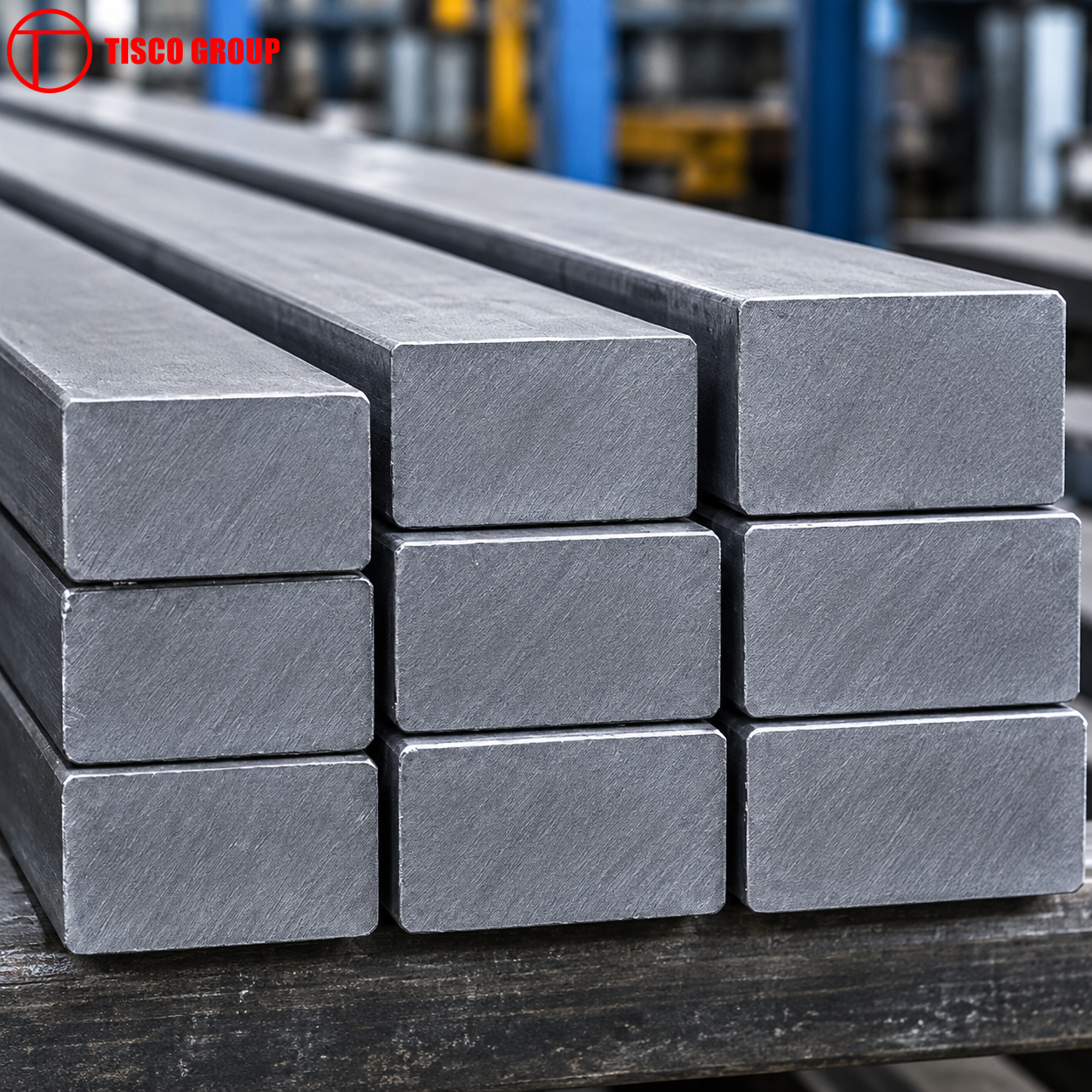
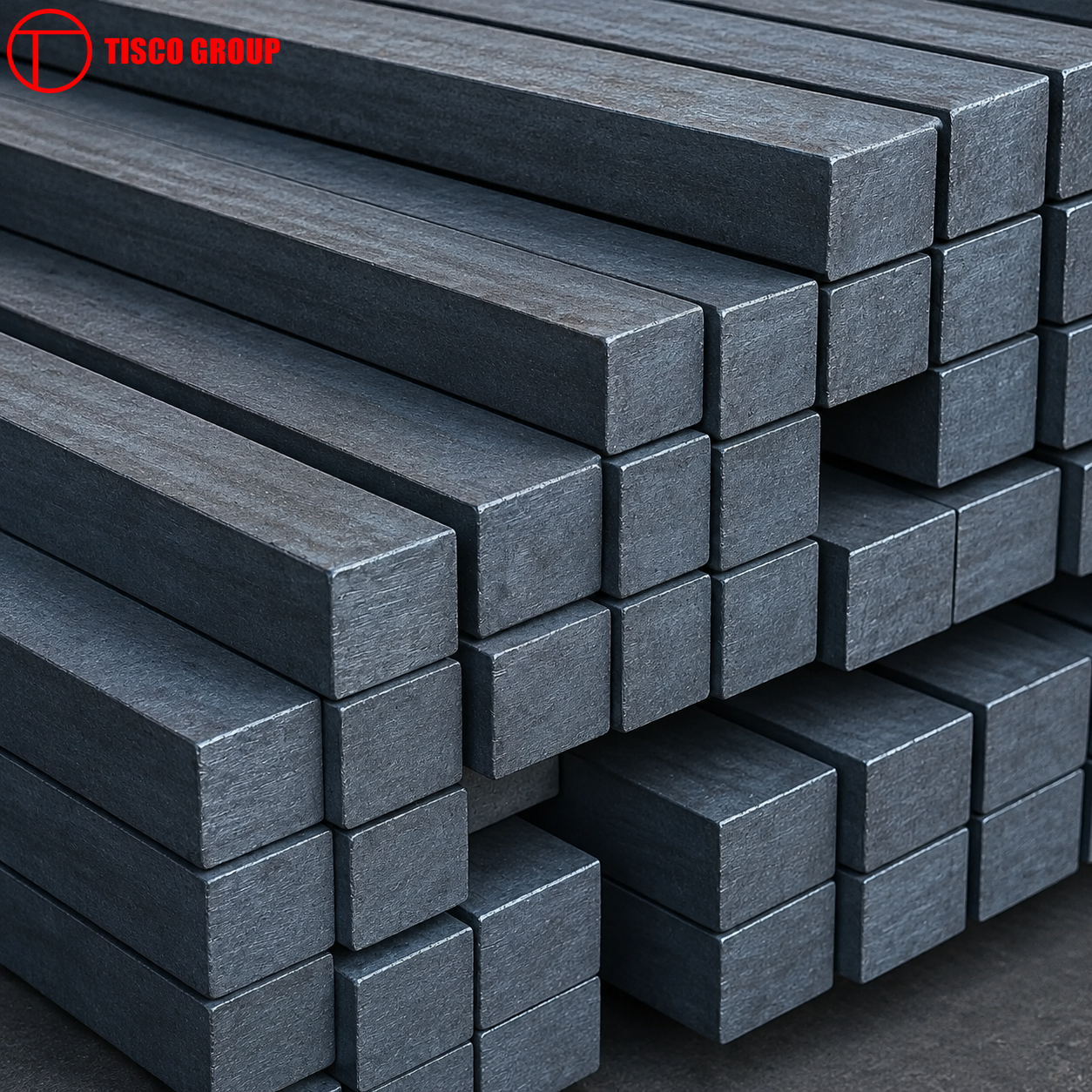
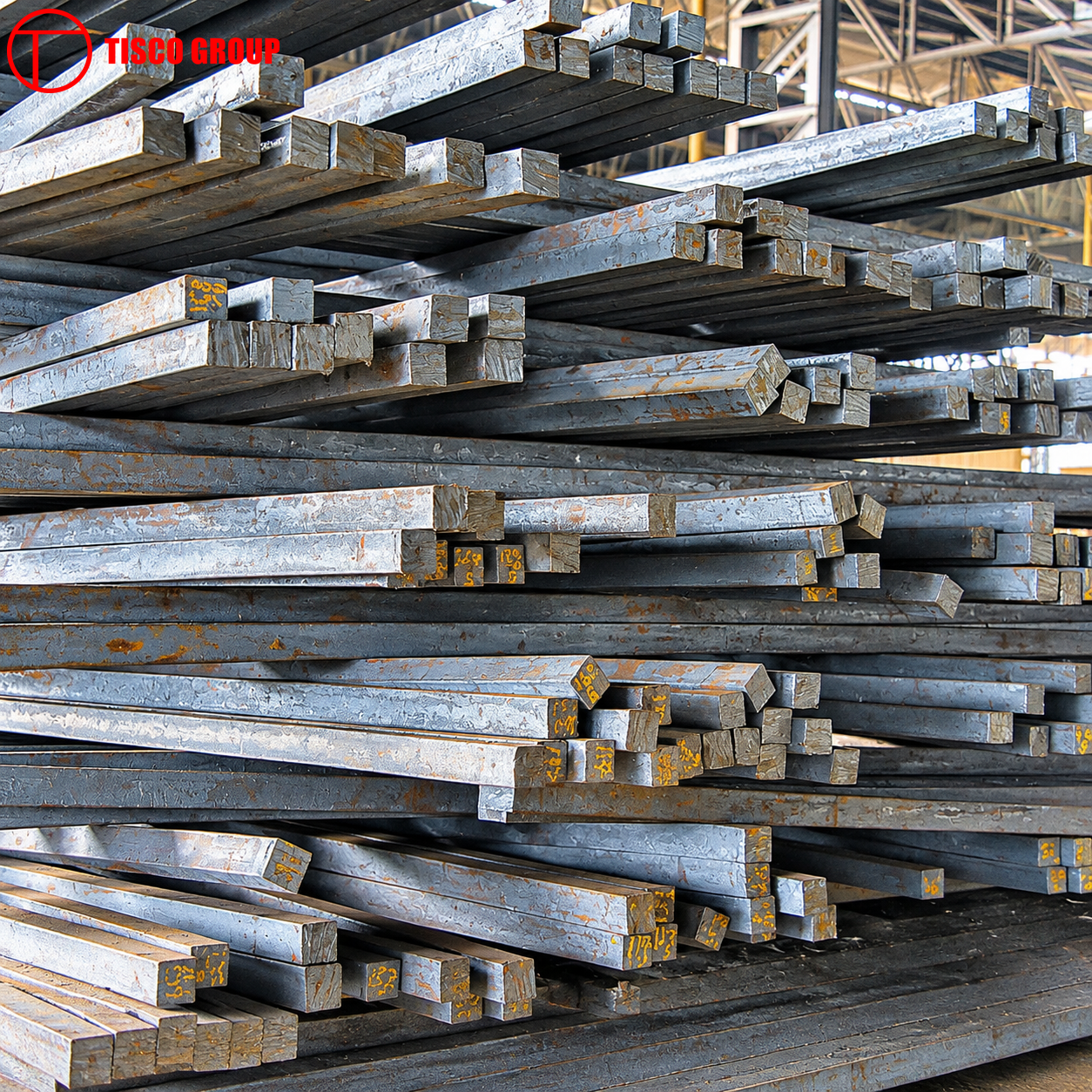
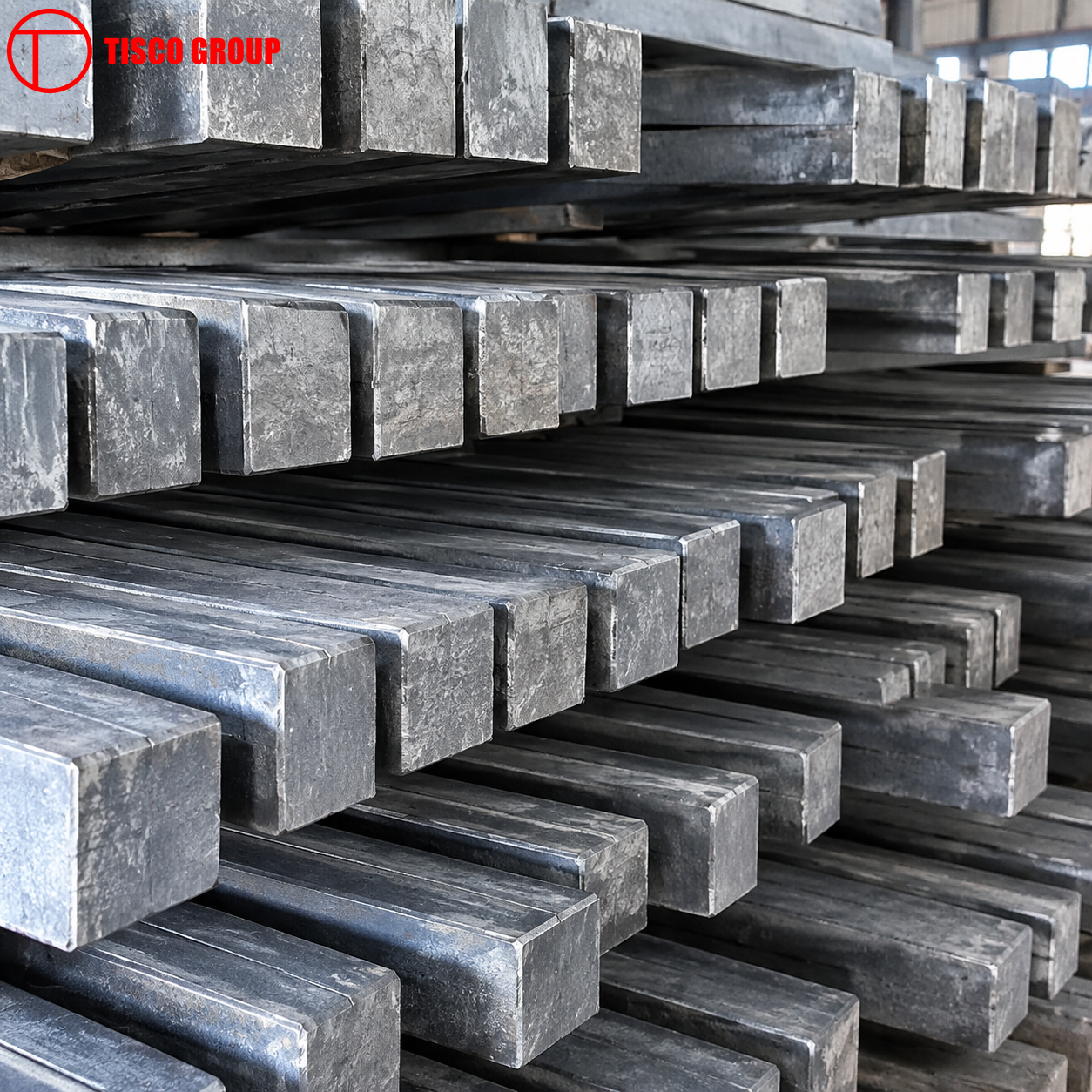
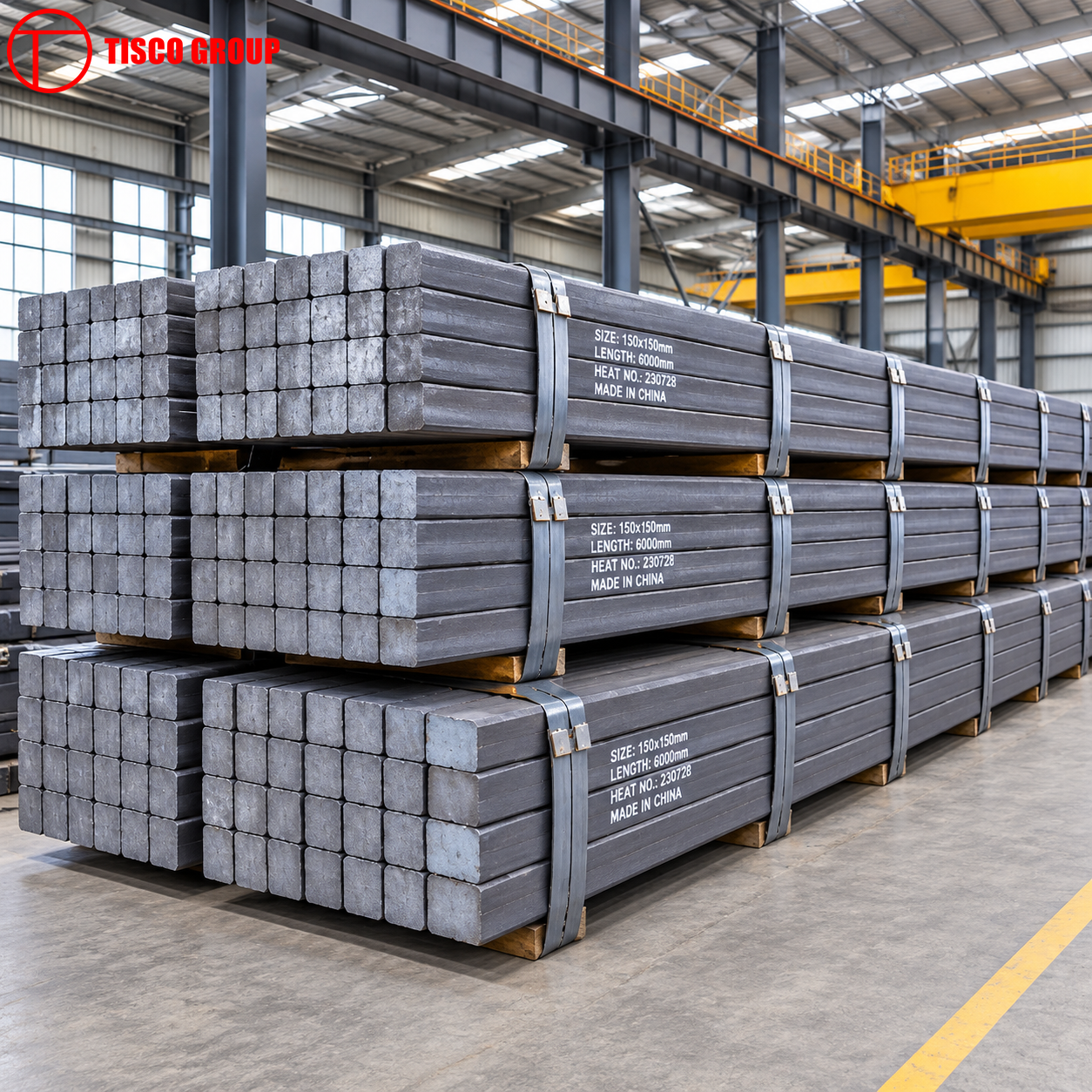
Steel billets are manufactured to various international standards and are available in a wide range of dimensions and steel grades to suit different end applications.
Quality control for billets focuses on surface condition (free from cracks and scabs) and internal soundness (minimizing centerline segregation and harmful inclusions), as these defects can propagate into the final rolled product.
Advantages of Steel Billets
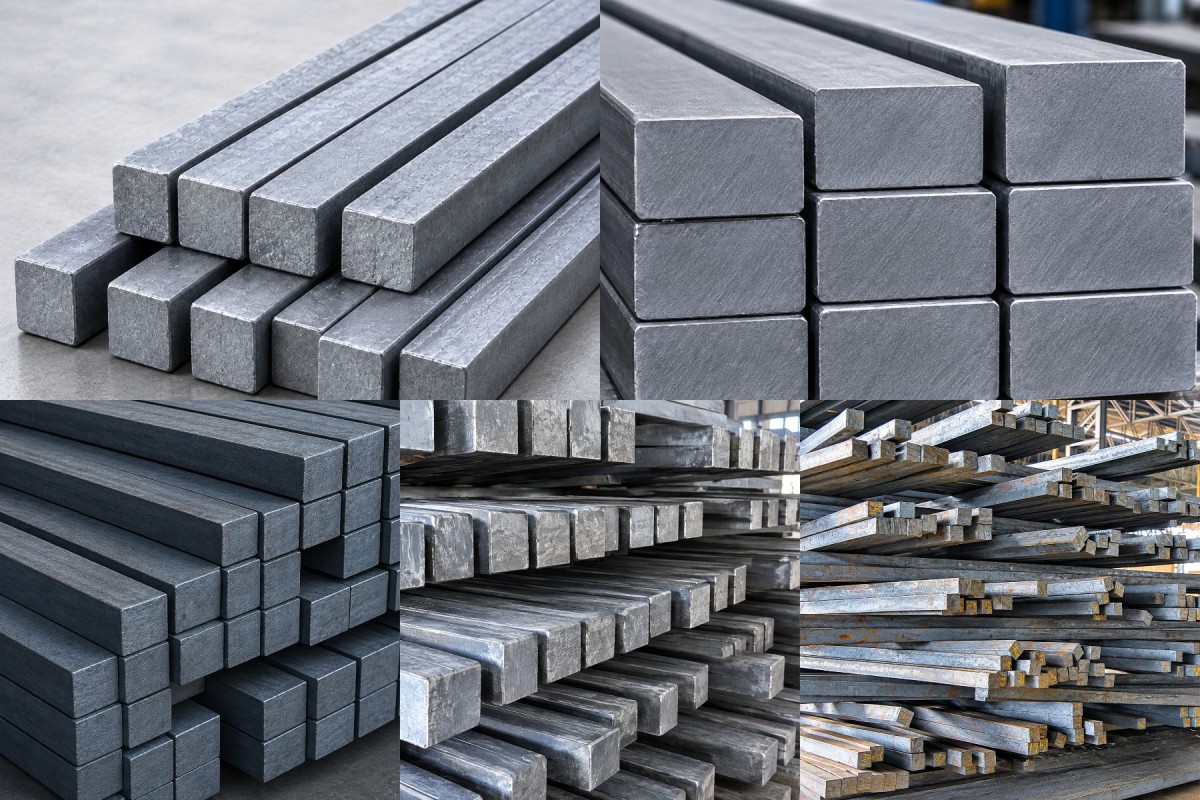
Superior Internal Quality via Continuous Casting. Billets are predominantly produced by continuous casting, which promotes more uniform and rapid solidification than traditional ingot casting. This minimizes centerline segregation, reduces shrinkage cavities, and lowers harmful inclusion content, resulting in more consistent final rolled or forged products.
Higher Yield and Lower Production Losses. The continuous casting route reduces crop losses (top and bottom discard) compared with ingot casting, delivering higher usable yield from each heat of steel.
Energy and Cost Savings. Continuous casting saves substantial energy and manpower compared with ingot-based routes, and near-net-shape casting further reduces the energy and expense required by downstream manufacturers to produce finished goods.
Fewer Conditioning Requirements. Because billets are cast in smaller, regular cross-sections with better surface and internal soundness, they typically require less surface conditioning and inspection effort before rolling or forging.
Efficient Deformation into Long Products. The compact, regular square or round cross-section enables efficient and uniform deformation during rolling, making billets ideal feedstock for narrow, elongated finished products.
Application Scenarios of Steel Billets
Construction Reinforcement (Rebar). Billets are the primary feedstock for hot-rolled rebar used in reinforced concrete structures, bridges, and infrastructure projects.
Wire Rod Production. Billets are rolled into wire rod, which is subsequently drawn into wire for fasteners, cables, fencing, welding consumables, and prestressed concrete strands.
Bars and Rods for Machining and Structural Use. Billets feed rolling mills producing round bars, square bars, and flat bars for machining, general engineering, and structural applications.
Forging Stock. Billets are cut and heated for forging gears, shafts, crankshafts, connecting rods, and other automotive and machinery components.
Seamless Tube Production. Billets can be pierced or extruded to manufacture seamless pipes and tubes for the oil and gas, boiler, and automotive industries.
Specialty and Alloy Steel Products. With appropriate grades (e.g., 40Cr, 42CrMo4, bearing steels), billets serve as feedstock for alloy bars, spring steels, and other high-value long products.
CONTACT US
MORE PRODUCT
Please give us a message